.svg)
View all articles
Student behavior
College students stream constantly, but their platform choices are shaped less by content alone than by cost, sharing norms, and the social realities of campus life.
March 18, 2026
Lorem ipsum dolor sit amet, consectetur adipiscing elit. Suspendisse varius enim in eros elementum tristique. Duis cursus, mi quis viverra ornare, eros dolor interdum nulla, ut commodo diam libero vitae erat. Aenean faucibus nibh et justo cursus id rutrum lorem imperdiet. Nunc ut sem vitae risus tristique posuere.

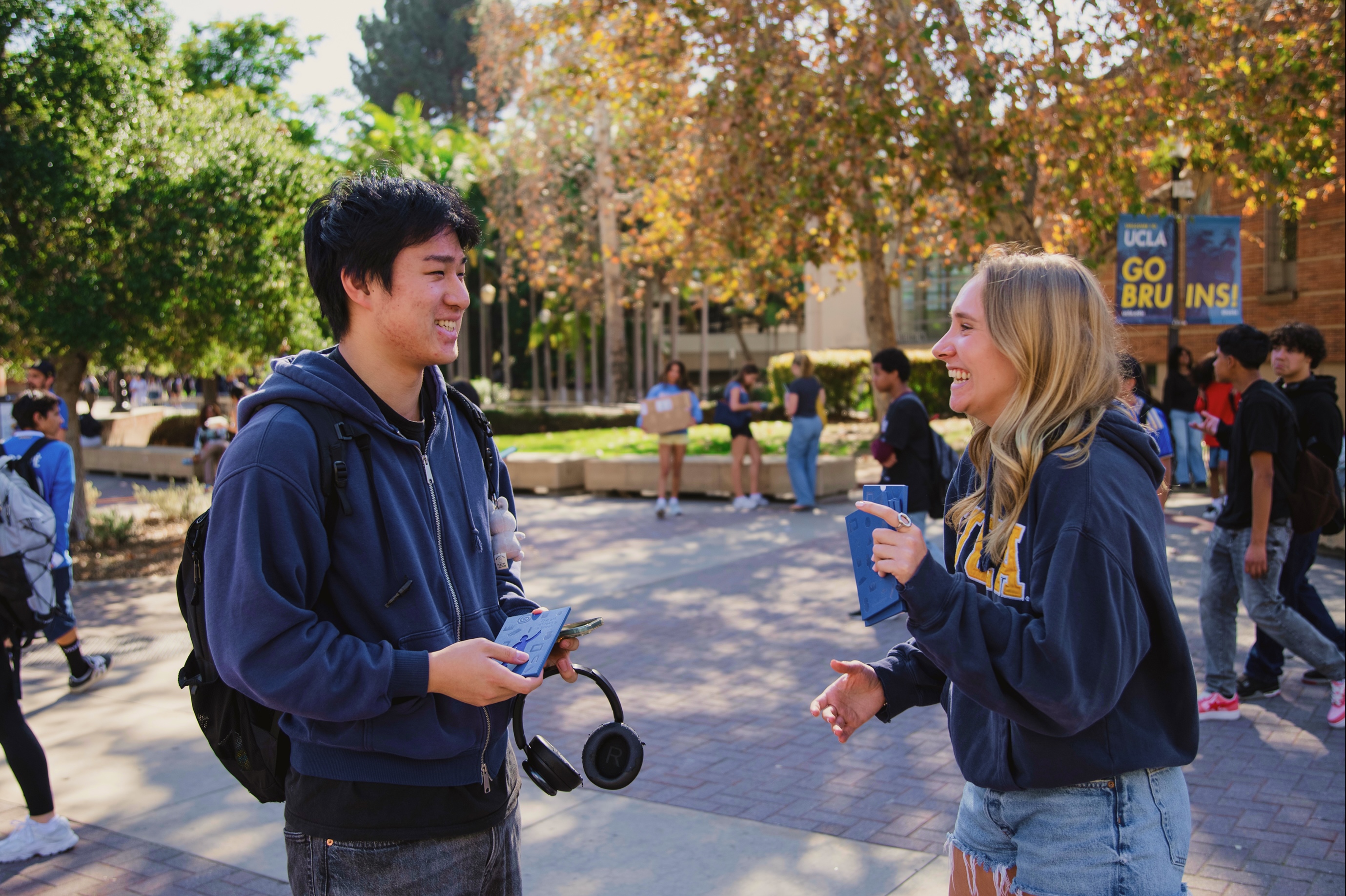
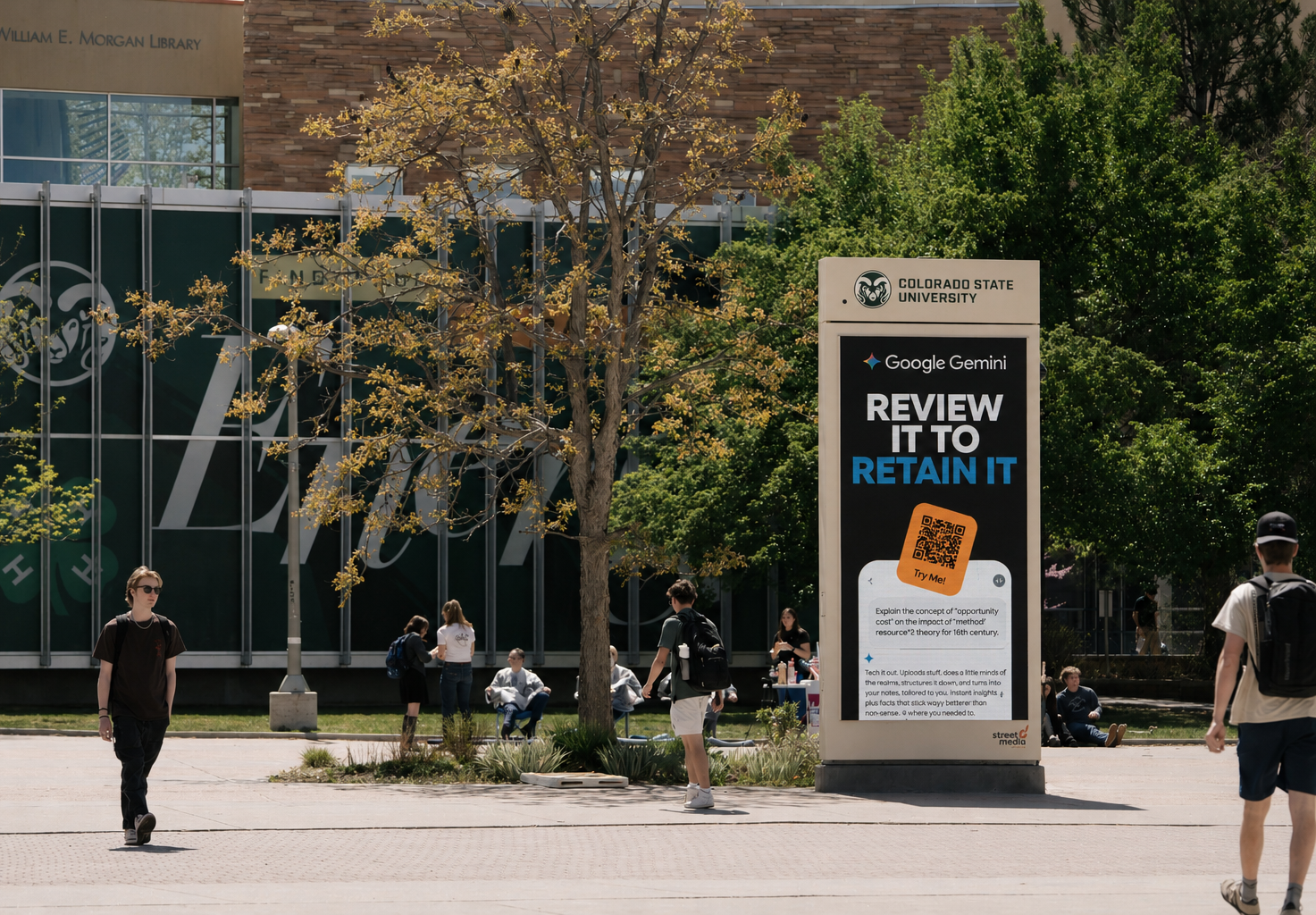
Streaming is a constant presence in student life, filling time between classes, late-night hours, and shared downtime with friends. But on college campuses, platform choices reflect practical constraints – tight budgets, shared living spaces, and strong peer influence – rather than entertainment preferences alone.
Survey research indicates that students are heavy users of streaming services, but they are also pragmatic. Subscription decisions are frequently negotiated within households, friend groups, or roommates. Many students access content through shared accounts, ad-supported tiers, or free platforms, illustrating a willingness to optimize rather than simply maximize.
Understanding student streaming behavior requires viewing it not as solitary media consumption but as part of a broader campus system in which routines form quickly and social visibility shapes adoption.
Most students engage with streaming platforms daily, often across multiple devices. However, usage intensity does not imply unlimited spending. Students manage entertainment budgets carefully:
Even highly engaged viewers demonstrate price sensitivity. Premium services may dominate cultural conversation, but cost influences whether students maintain subscriptions continuously.
Despite its digital nature, streaming often occurs in social contexts:
Campus environments amplify this dynamic because students live, study, and socialize in close proximity. Media consumption becomes visible and discussable. Peer awareness influences platform choice. Students are more likely to adopt services that their social circle already uses, both for practical reasons (shared accounts, recommendations) and for cultural participation. This pattern reflects a broader tendency for students to behave as cohorts rather than isolated consumers, discovering new products through friends and converging on common options.
The transition into college is a period of rapid routine formation. Students establish not only academic schedules but also leisure patterns, including when and how they watch content.
Early experiences can shape long-term usage:
In campus communities, repeated exposure to the same options reinforces defaults. Once established, these habits can persist for semesters or years. This mirrors findings in other consumption domains, where early decisions in a new environment quickly stabilize into routines due to convenience and social reinforcement.
Students generally prefer ad-free experiences but demonstrate pragmatic acceptance of advertising when it enables free access.
Key factors influencing tolerance include:
Research suggests that many students are willing to watch ads in exchange for content, especially on platforms positioned as free rather than premium. However, attention is limited. Students are accustomed to skipping or ignoring ads in many digital contexts, making ad load management and creative relevance important for effectiveness.
This article synthesizes multiple sources of student research and industry analysis.
Primary survey data
Online survey of 855 undergraduate students across 36 universities examining streaming awareness, usage, and platform perceptions (2024).
Supplementary research context
Nationwide survey of 1,803 students across 67 universities exploring decision-making, social dynamics, and campus life patterns (2025).
Behavioral framework
Interpretation informed by research on student consumption and routine formation during transitional periods such as the start of college (2025).
Findings describe aggregate trends and should not be interpreted as precise predictions for any individual campus.
College students are intensive streaming users, but their behavior is governed by constraints and social context rather than pure preference. Cost sensitivity, shared living arrangements, peer influence, and early habit formation all shape which platforms students adopt and maintain.
For streaming providers, success on campus depends not only on content but on fitting seamlessly into the economic and social realities of student life.

On this page
Headings

.avif)

%202.svg)