.svg)
View all articles
Politics
A 2018 analysis of flytedesk programs found that turnout increased from 2 percentage points with a single campus media channel to 6 percentage points with four or more channels; a finding consistent with how campus environments concentrate and reinforce repeated exposure.
Data collection and analysis conducted by BlueLabs and Flytedesk.
December 9, 2025
Lorem ipsum dolor sit amet, consectetur adipiscing elit. Suspendisse varius enim in eros elementum tristique. Duis cursus, mi quis viverra ornare, eros dolor interdum nulla, ut commodo diam libero vitae erat. Aenean faucibus nibh et justo cursus id rutrum lorem imperdiet. Nunc ut sem vitae risus tristique posuere.
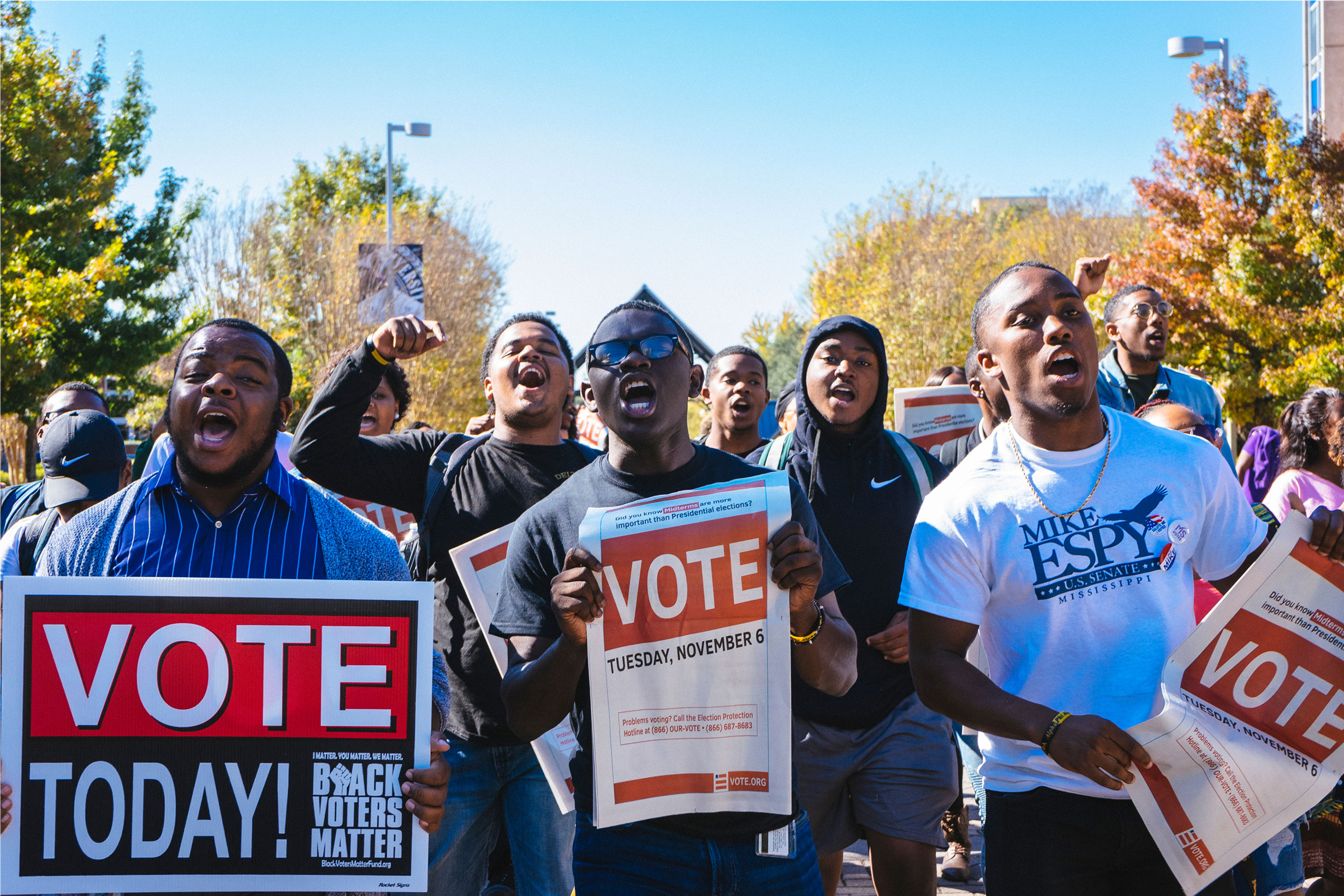
Across all 2018 electoral campaigns run through flytedesk, BlueLabs found a clear relationship between the number of campus media channels deployed and the measured impact on student voter turnout.
Campuses running a single flytedesk media channel saw an average turnout increase of approximately 2 percentage points relative to match campuses. Campuses running two channels saw roughly twice that effect, approximately 4 percentage points. Campuses running four or more channels saw the largest impact, at approximately 6 percentage points. These findings are directional given the matched-campus design, but the pattern was consistent and held across the full sample.
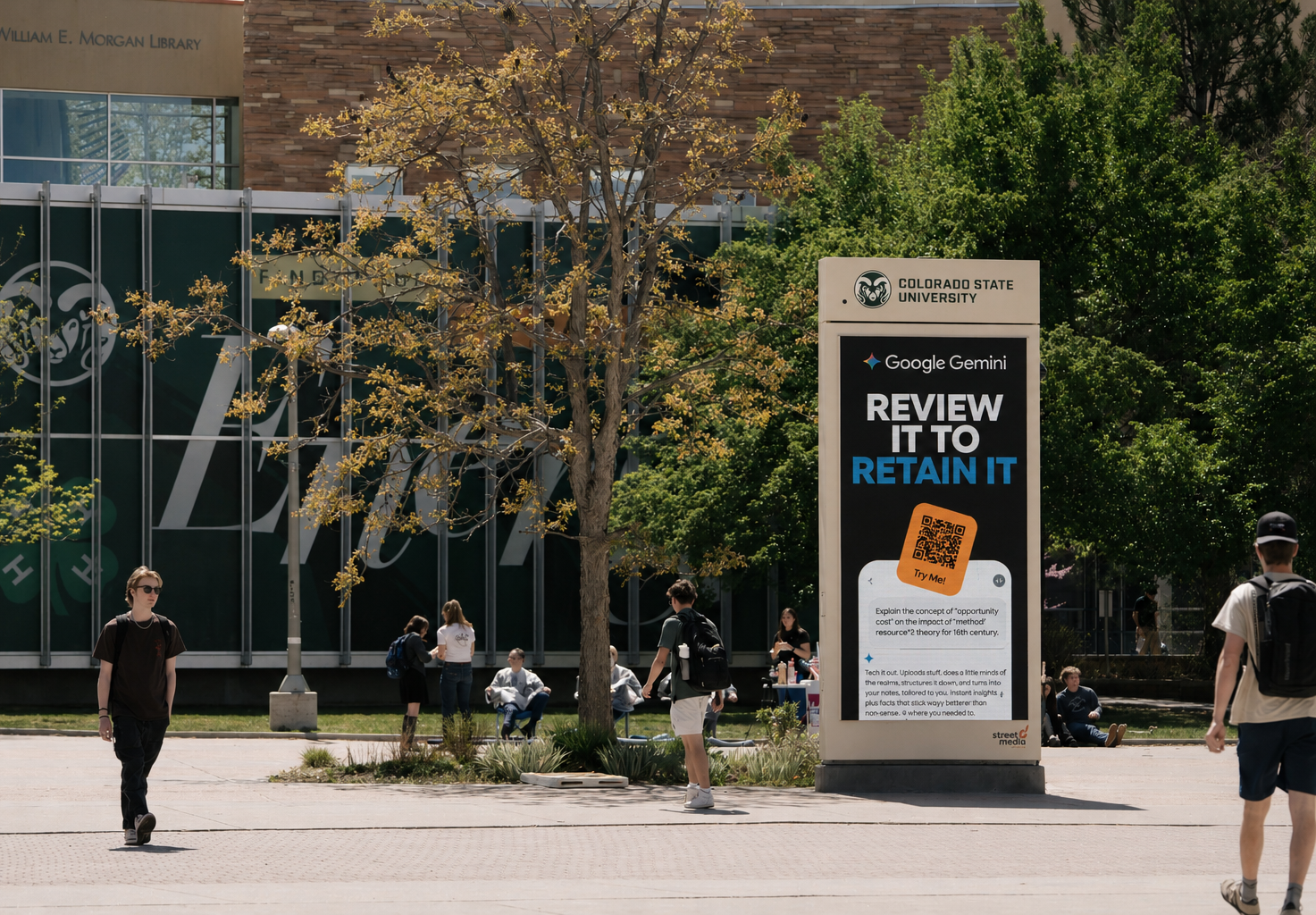
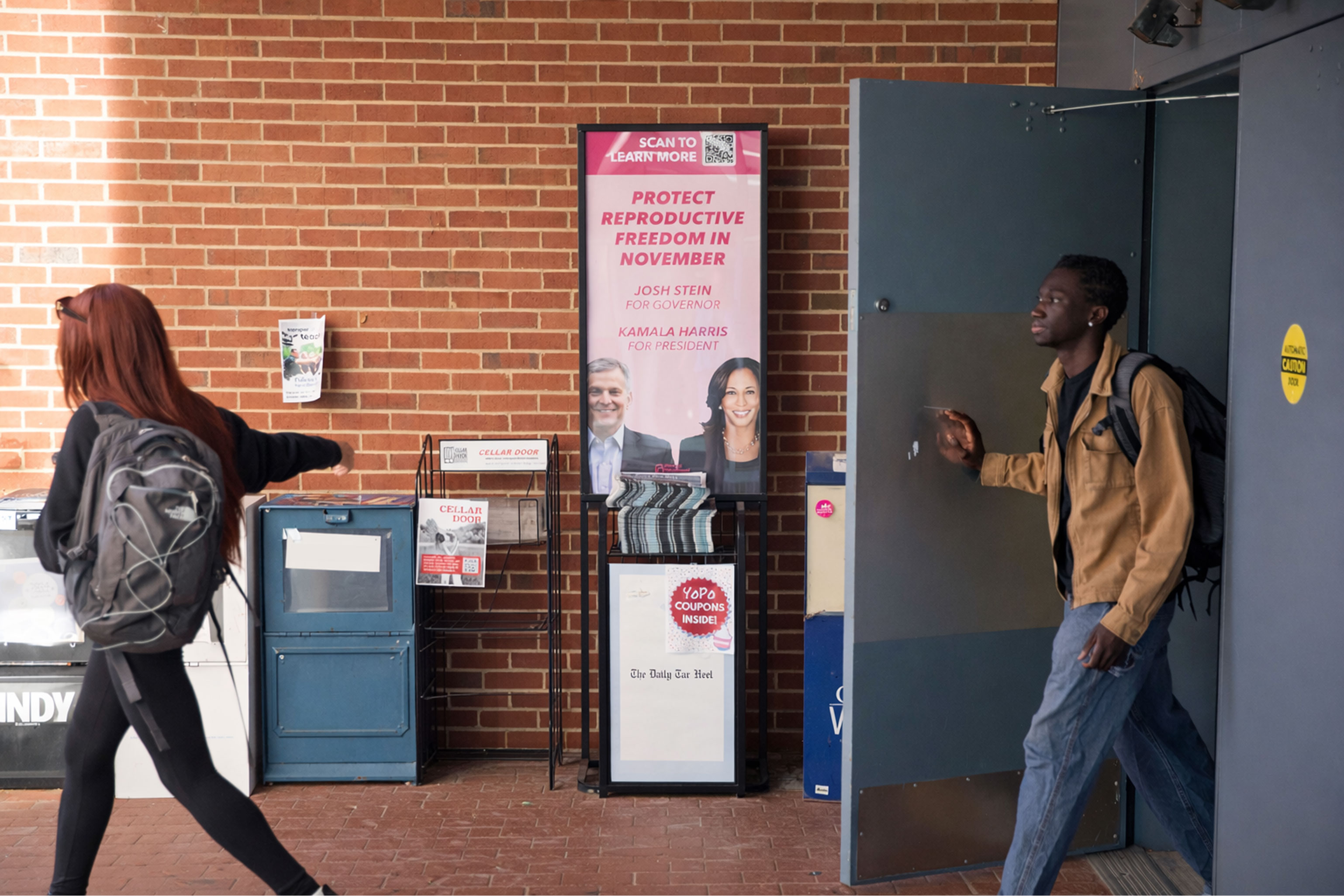
Campus environments are bounded in a way most media environments are not. Students move through the same physical spaces every day (e.g., dining halls, libraries, campus walkways, student unions). When a message appears across multiple formats simultaneously, students encounter it repeatedly in different contexts, through different channels, in the presence of peers.
This concentration effect means that adding a second or third channel does not simply add reach; it adds frequency and social visibility in an environment where both compound quickly. A student who sees a message in the campus newspaper, on a digital screen, and on a poster in the dining hall has effectively been exposed in three different cognitive contexts, each reinforcing the others.
For organizations planning campus programs, the channel layering finding has direct implications for how budgets should be structured. A single-channel program is unlikely to achieve the saturation that makes campus media distinctive. Spreading investment across at least two to three simultaneous formats (physical, digital, print) is the threshold at which meaningful turnout effects begin to emerge. The optimal mix will vary by campus, but the consistent finding across the 2018 sample is that more channels, deployed simultaneously, produce disproportionately larger effects.
Analysis conducted by BlueLabs in partnership with flytedesk, covering 2018 midterm election programs across targeted and matched campus pairs. Turnout analysis used voter file data comparing 2014 and 2018 turnout rates. Channel analysis examined the relationship between the number of media formats deployed and measured turnout lift across the campus sample.

On this page
Headings

.avif)

%202.svg)