.svg)
View all articles
Politics
A randomized controlled trial across 33 campuses in Kentucky, Louisiana, and Mississippi found that students exposed to campus media were 8 percentage points more likely to vote; a treatment effect that held across multiple regression specifications.
Analysis and data collection conducted by Pantheon Analytics + flytedesk. Program Designers: Debra Cleaver, Chris Mann, Alex Kronman.
April 16, 2026
Lorem ipsum dolor sit amet, consectetur adipiscing elit. Suspendisse varius enim in eros elementum tristique. Duis cursus, mi quis viverra ornare, eros dolor interdum nulla, ut commodo diam libero vitae erat. Aenean faucibus nibh et justo cursus id rutrum lorem imperdiet. Nunc ut sem vitae risus tristique posuere.
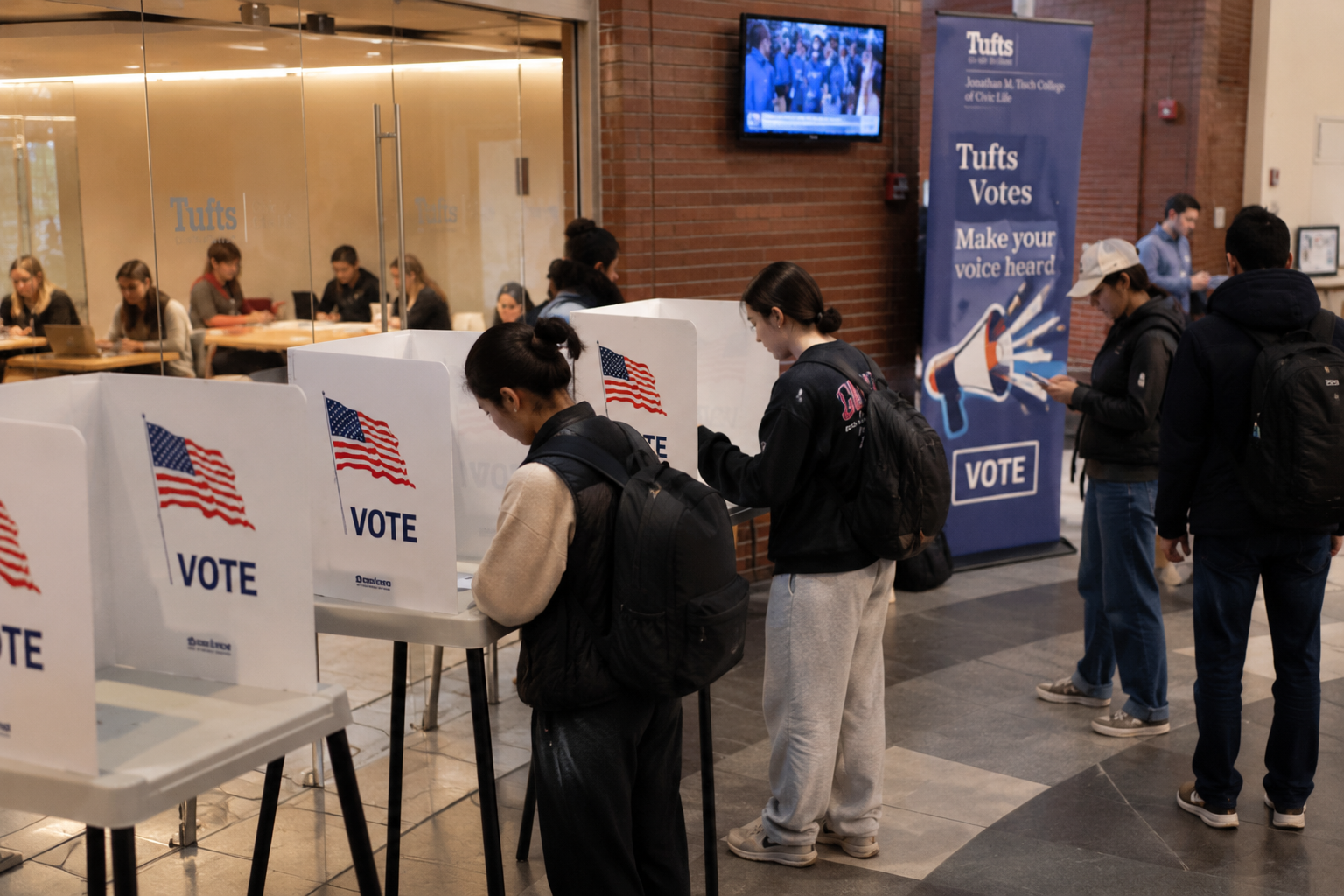
During the 2019 gubernatorial elections in Kentucky, Louisiana, and Mississippi, flytedesk partnered with a national civic organization to run a randomized controlled trial evaluating the impact of campus media on student voter turnout. Treatment campuses received multi-format, multi-wave advertising tied to key dates in the election cycle. Control campuses received no program activity.
Among survey respondents matched to the voter file, turnout was 8 percentage points higher on treatment campuses than control campuses, a finding that remained consistent across all regression specifications tested. The result represents an unusually large effect by the standards of political GOTV programs.
flytedesk partnered with a national civic organization to run campus media across 33 universities and colleges in Kentucky, Louisiana, and Mississippi during the 2019 gubernatorial election cycle. Campuses were randomly assigned to treatment or control groups. Randomization was performed by an independent political scientist to ensure the integrity of the experimental design.
Prior to this study, rigorous experimental evidence of campus media's effect on student turnout was limited. flytedesk and Pantheon Analytics designed this program as a randomized controlled trial specifically to generate causal evidence, not just directional correlation, on whether campus advertising moves students to vote.
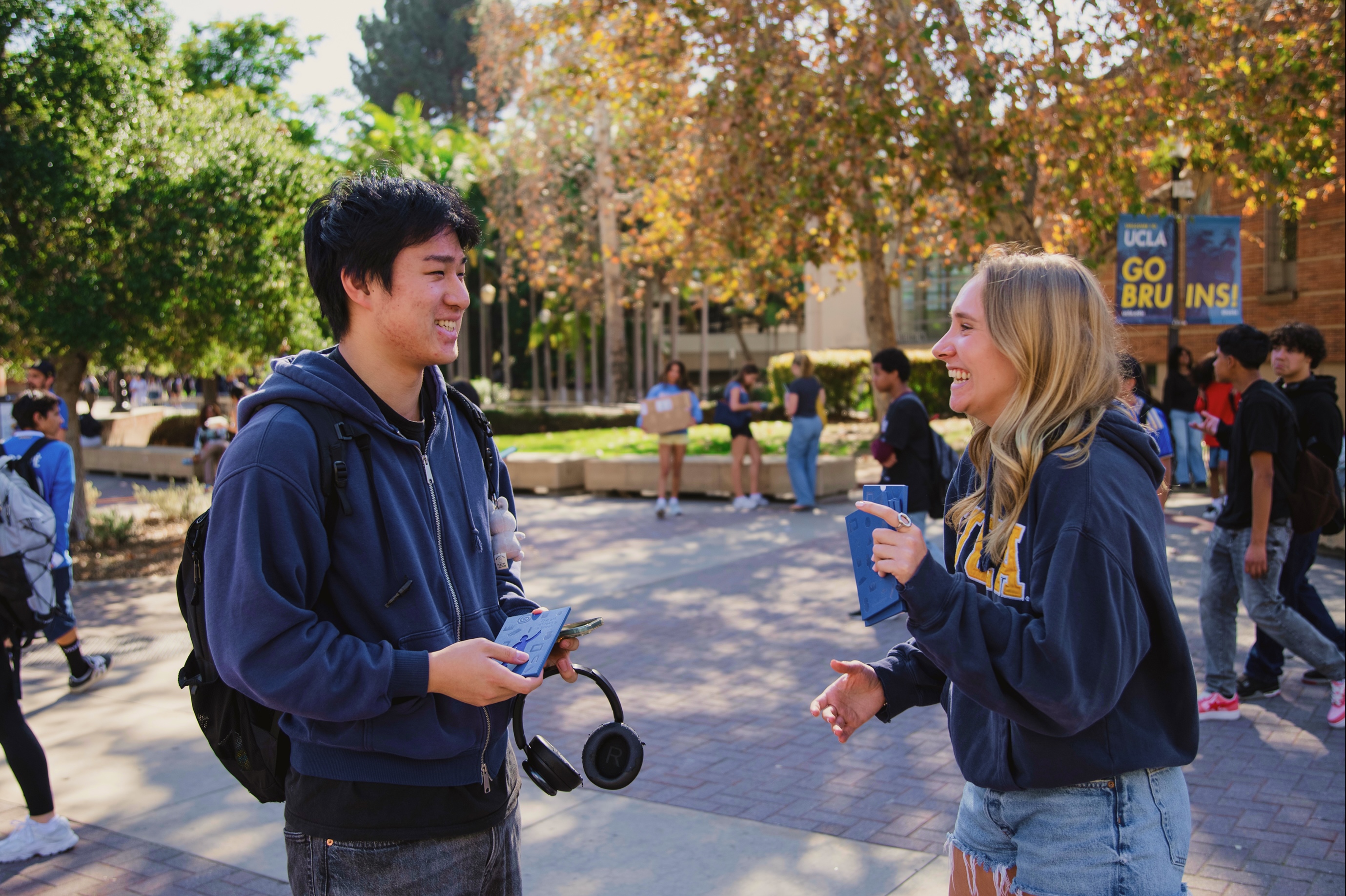
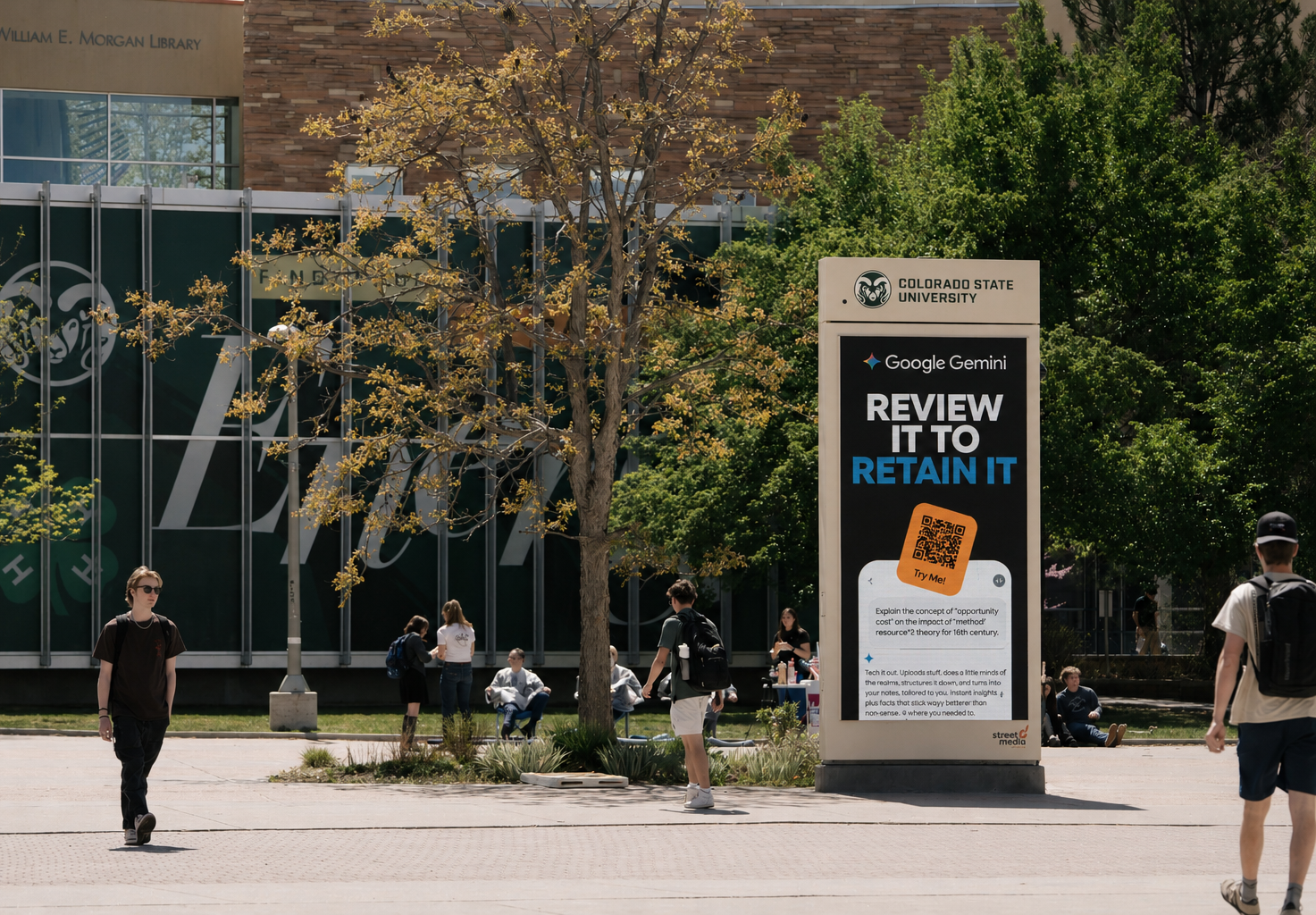
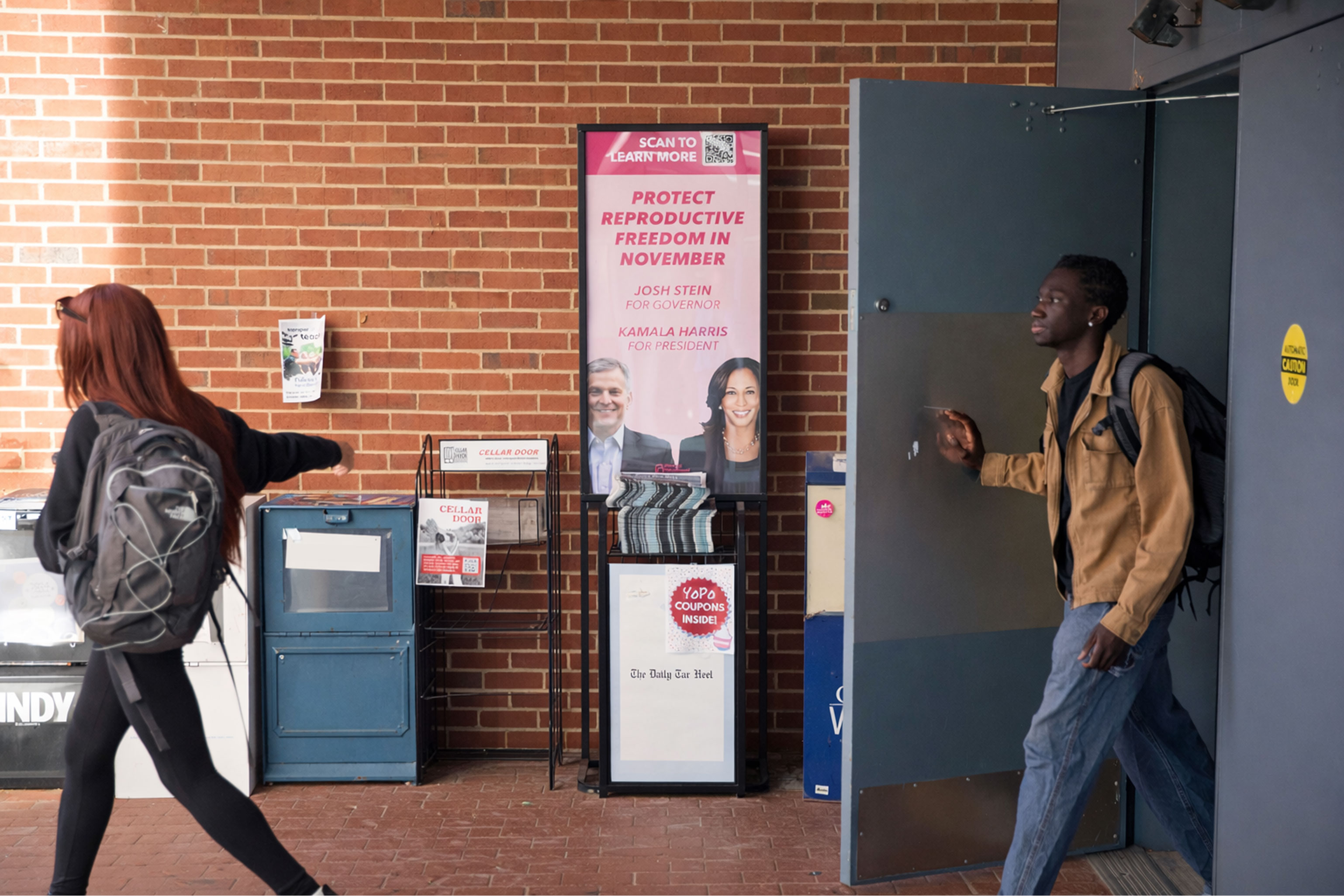
Treatment campuses received three waves of advertising timed to key dates: National Voter Registration Day, state-specific voter registration deadlines, and the GOTV period leading up to Election Day. Media ran across multiple simultaneous formats, including campus billboards, student newspapers, targeted digital, posters, flyers, and bar coasters displayed throughout campus environments.
Control campuses received no program activity.
Surveys were conducted on student populations at both treatment and control campuses before and after the program. Survey respondents were then matched to the voter file using Civis Analytics' matching platform, with a confidence threshold of 0.8. Nearly 1,500 records were matched across both survey waves with sufficient confidence for turnout analysis.
Regression analysis was conducted to control for individual turnout propensity scores, age, race, and self-reported voting confidence, ensuring the treatment effect could not be explained by pre-existing differences between campus populations.
Among survey respondents matched to the voter file, turnout on treatment campuses was 8 percentage points higher than on control campuses (30% vs. 22%). This finding held consistently across both the pre-treatment and post-treatment survey waves individually, and in the combined dataset.
This is a large effect by the standards of political interventions. A well-executed traditional GOTV program typically produces 1-2 percentage points of increased turnout. The campus media program produced an effect four to eight times larger.
To rule out confounding factors, Pantheon Analytics ran multiple regression specifications with different combinations of control variables (individual turnout scores, age, race, and voter confidence). In every specification, the treatment effect remained positive, statistically significant (p<0.001), and hovered close to the 8 percentage point mark observed in the raw analysis.
The consistency of the effect across specifications provides strong evidence that the result is attributable to the campus media program rather than pre-existing differences between treatment and control populations.
The 2019 elections were lower-salience, non-federal contests. Baseline turnout in these states ranged from 42-51% overall. In higher-salience elections, baseline turnout is higher, and the marginal student who can be moved by advertising is harder to reach. The effect size observed here should be understood in that context: it reflects the upper range of what campus media can produce, and may be somewhat smaller in presidential election environments. The directional finding that campus media increases turnout is well-supported regardless of election type.
Randomized controlled trial evidence is rare in political advertising: this result matters. Most political advertising effectiveness claims are based on observational data. This study's experimental design, with campus-level randomization and voter file matching, provides causal evidence that campus media moves students to vote.
Multi-format, multi-wave programs outperform single-channel outreach. The program's three distinct waves (registration, primary GOTV, and general GOTV) combined with simultaneous deployment across physical and digital formats, created the kind of sustained saturation that the campus environment is uniquely suited to support.
This randomized controlled trial provides rigorous causal evidence that campus media increases student voter turnout. An 8 percentage point treatment effect, robust to multiple regression specifications and consistent across both survey waves, is a finding that stands out in the political GOTV literature.
Campus environments, bounded, high-frequency, and shared, create conditions where repeated exposure to consistent messaging can shift behavior in ways that diffuse advertising channels cannot replicate. For organizations investing in student civic participation, this study provides a rigorous evidentiary foundation for campus-anchored programs.

On this page
Headings

.avif)

%202.svg)