.svg)
View all articles
Comparisons
flytedesk brings 4.4 billion monthly ad impressions across 2,300 campuses into a single omnichannel platform – so you can launch, manage, and measure college campaigns without coordinating hundreds of vendors.
Lorem ipsum dolor sit amet, consectetur adipiscing elit. Suspendisse varius enim in eros elementum tristique. Duis cursus, mi quis viverra ornare, eros dolor interdum nulla, ut commodo diam libero vitae erat. Aenean faucibus nibh et justo cursus id rutrum lorem imperdiet. Nunc ut sem vitae risus tristique posuere.
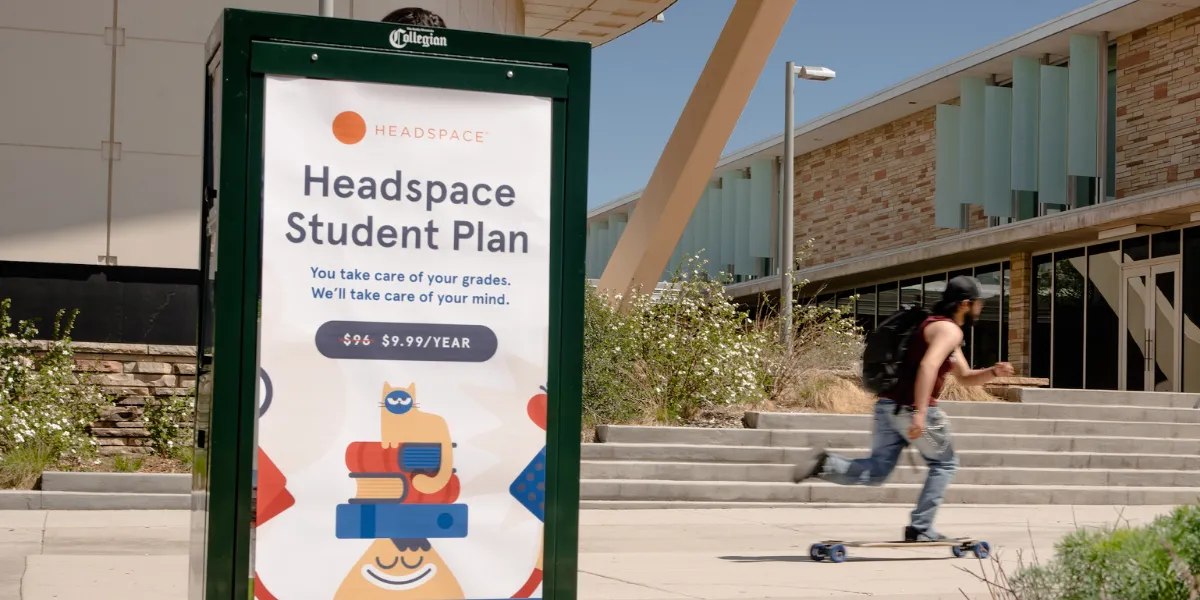
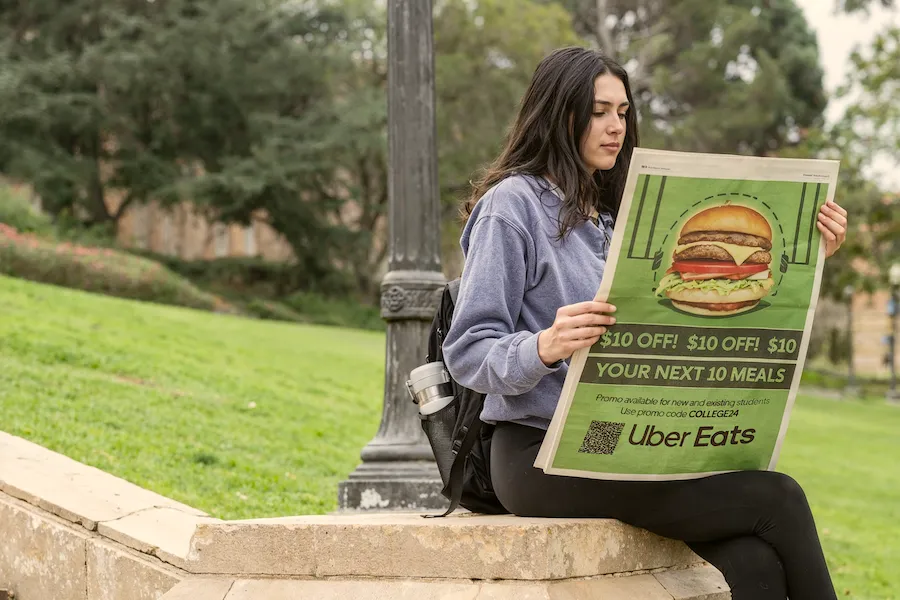
When Uber Eats layered on-campus media with their digital presence, students in exposed environments were 40% more likely to name Uber Eats as their preferred delivery app compared to digital-only campuses. Engagement didn't peak and fade. Instead, it compounded week over week, increasing 32.6% over the duration of the campaign.

prefer to buy the same brands as their peers

find community there, not online

say they want to try new things and step outside their comfort zone while in college

discover new brands through their friends
The difference? Physical presence in spaces students share daily creates repetition that digital scroll-by can't match. Four out of five undergrads spend 11.6 hours per day on campus during weekdays. When your brand shows up in the dining hall, the gym, the student union, and the walkways between classes, you're not interrupting; you're present throughout the purchase journey.
Students on campus are part of a high-density influence network — where brand exposure travels peer-to-peer, not just screen-to-screen.
Campus advertising doesn't replace digital. It amplifies it.

You're emailing students at The Daily Pennsylvanian, The Michigan Daily, and 200 other campus newspapers. One gets sick. Another ghost you, mid-campaign. A third doesn't invoice correctly. You're managing contracts, creative specs, and billing across hundreds of individual relationships.
It's overwhelming. Most teams give up or settle for 20 campuses when they need 200.

Digital out-of-home companies give you screens, but only screens. If you want posters, email newsletters, student influencer partnerships, or event activations, you're back to juggling multiple vendors.
Many single-channel providers own their inventory outright, meaning campuses place those screens wherever it is convenient for facilities and not where students actually spend time.

Coke vending machines that hug you. Pop-up sampling events. Campus ambassador programs. They generate great Instagram content for 48 hours… then disappear.
Students forget. The campaign ends. There's no sustained brand presence to drive consideration when purchase intent kicks in.
We're the only college marketing company that owns the technology student media organizations use to manage their own student media.
That changes everything.


Over 2,300 colleges use flytedesk platform to run their student newspapers, digital screens, email newsletters, and out-of-home networks. Because we power their ad management, we have direct API-level access to the 4.4 billion monthly impressions they control.
This isn't media we broker. It's media we enable colleges to monetize, and brands to access at scale.
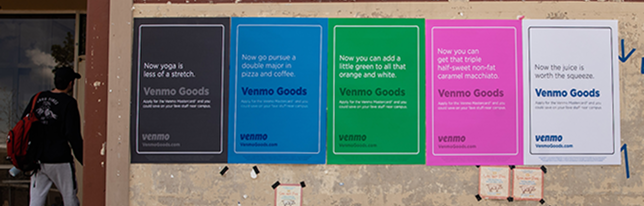

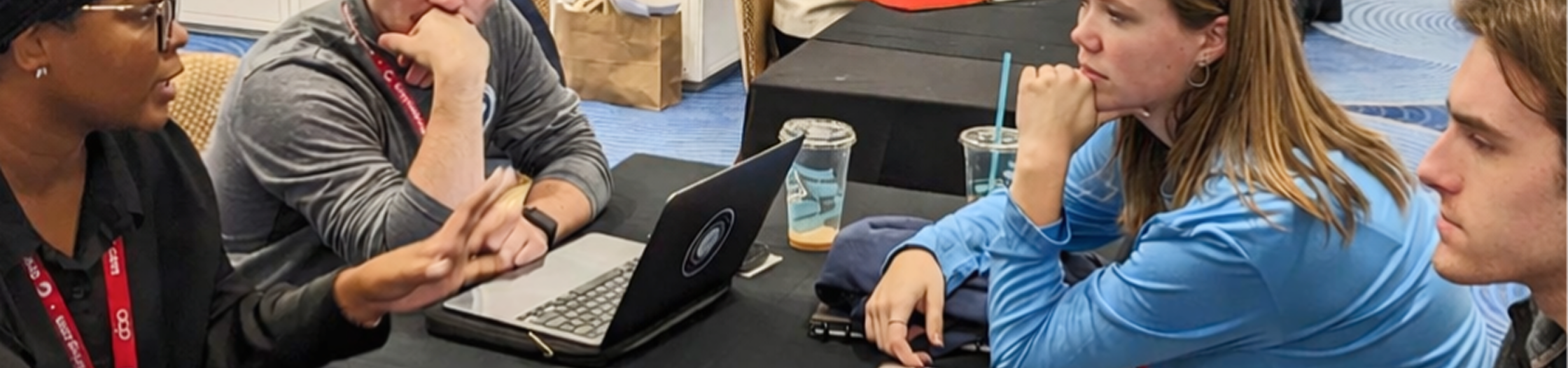
Run posters, digital screens, email, influencer content, and event sponsorships across hundreds of campuses through one platform. One brief. One contract. One invoice. One dashboard.
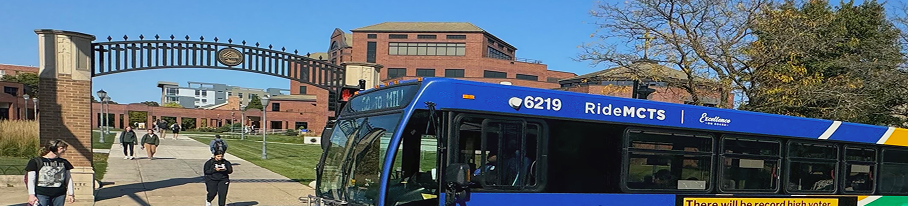

Student-owned media = Better placement
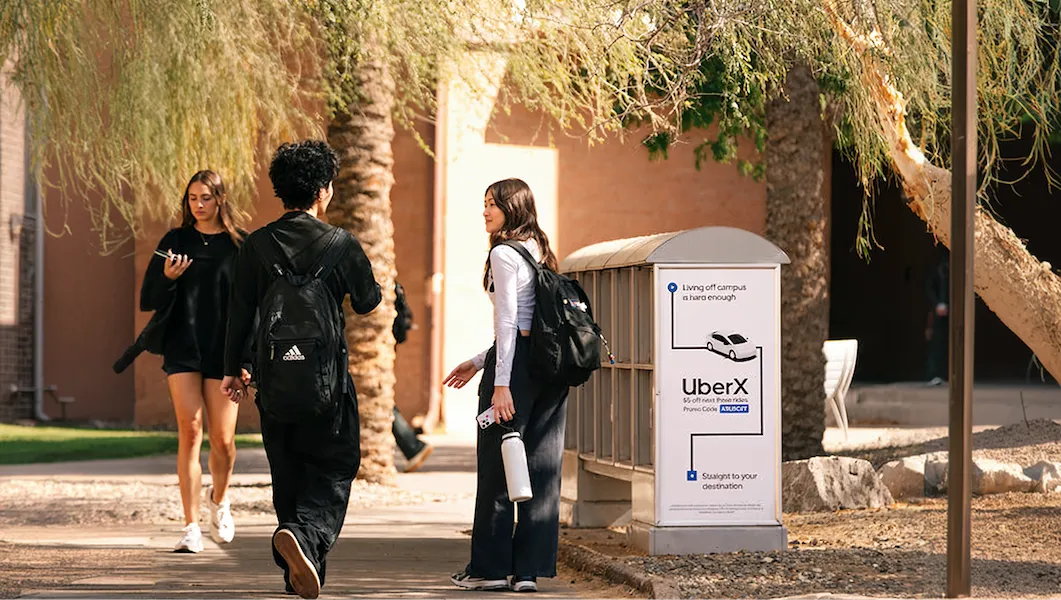
Student media organizations have one goal: reach students. When they place your ads, they put them where students actually go and not in hallways no one walks down.
That's different from many third-party screen providers, whose placements are often constrained by facility approvals rather than optimized around where students naturally gather.
Every campaign is informed by years of student research, focus groups, and performance data across thousands of schools. We know what works on campus because we've tested it repeatedly.
84% of students pay for their own clothing and shoes. 75% cover their own food and drink. 74% handle their own electronics purchases. This is not an allowance economy but a self-directed consumer market.
And it's concentrated: two-thirds of undergrads live on or near campus, spending nearly 12 hours per day there on weekdays. That density creates advertising efficiency you can't replicate in suburban or workplace environments.
Uber Eats: 40% preference lift through sustained campus presence
Across 35 campuses, Uber Eats layered on-campus advertising with digital outreach. Students in exposed environments were 31.4% more likely to redeem offers, 19.9% more likely to recall seeing Uber Eats on campus, and 40% more likely to name Uber Eats as their preferred delivery app compared to control campuses. Engagement increased 32.6% week-over-week, showing that visibility compounded over time.
Digital Learning Platform: Campus media drove disproportionate sales gains
A matched-market experiment with four treatment groups (control, digital-only, moderate campus + digital, high-intensity campus + digital) showed that adding on-campus media to digital campaigns produced disproportionately stronger results across product usage, perceived peer adoption, feature awareness, and subscription indicators. High-intensity campus environments significantly outperformed digital-only exposure.
Google Gemini: On-campus visibility influenced tool adoption in crowded AI market
In a competitive landscape where students had multiple AI options, consistent campus presence helped Google Gemini cut through noise and drive trial among college users exploring new productivity tools.

On this page
Headings

Our team can help you apply these insights, explore additional resources, or workshop strategies for your campus campaigns.
.avif)

%202.svg)



.webp)