.svg)
View all resources
Newsletter playbook
Best practices for creating a newsletter template, structuring your content, and improving reader engagement.
July 2, 2026
Lorem ipsum dolor sit amet, consectetur adipiscing elit. Suspendisse varius enim in eros elementum tristique. Duis cursus, mi quis viverra ornare, eros dolor interdum nulla, ut commodo diam libero vitae erat. Aenean faucibus nibh et justo cursus id rutrum lorem imperdiet. Nunc ut sem vitae risus tristique posuere.
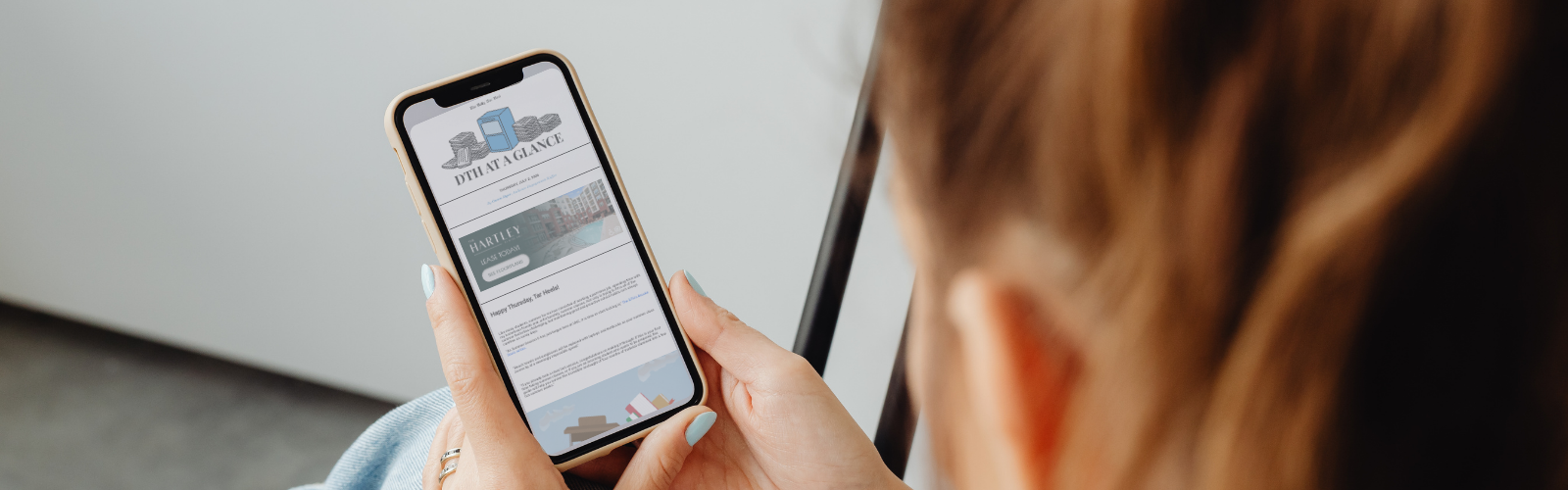
As email newsletters become increasingly valuable products in student media, publications have an opportunity to strengthen relationships and engagement with their student audience by delivering relevant content straight to their inboxes.
Before jumping into newsletter content, it is important to think about who your newsletter is serving and what purpose it serves. Are you informing students about what is going on on campus? Highlighting significant sporting events?
Your target audience should influence both the content you select and the tone you should use. Keeping your target audience at the center of every decision ensures your newsletter feels relevant rather than generic.
To improve both quality and consistency, it may be helpful to create a reusable template. Rather than designing every email edition from scratch, establish a structure and layout that readers will recognize each time they open your email.
Every newsletter should include:
Having these newsletter elements in place creates brand familiarity for readers while making email production much more efficient for your staff.
Every story adds value to your newsletter, but organizing your content by importance creates a stronger newsletter that is easier for your audience to read. Consider the hierarchy of content, placing what readers are most likely to read and prioritize at the top.
Your lead story should always be your biggest piece of news. This could be either breaking news, an investigative story, or the most significant update on your campus.
Your second story can feature another timely article, a story that is performing well online. This may even be another piece of reporting.
Additional stories provide variety to your newsletter content. These might include opinion articles, sports coverage, or arts and entertainment. By organizing stories and content by importance, you make it easier for your readers to quickly find the information they are seeking, keeping your content easily scannable.
The subject line and preview text of your newsletter determine whether someone opens your email. Keep these elements brief and specific to your publication’s voice. The preview text should complement the subject line.
Your introduction should be concise and authentic. A few sentences welcoming readers and previewing the newsletter before transitioning to your featured stories.
Consider using high-quality photos to break up text and make stories more engaging. Not every article needs its own image. Focus on creating clear, compelling visuals that enhance your biggest stories and showcase your community.
Finally, every story should include links back to your website. Whether it is through headlines, images, buttons, or text links, internal linking encourages readers to continue engaging with your other products while driving that traffic as well.
Most readers don’t consume email newsletters from top to bottom. Instead, they scan for the information that matters most to them. Organizing your content around the 1-5-10 Rule can significantly improve reader engagement.
The 1-minute reader
Most students have a short attention span, so most readers fall into the one-minute category.
If a student only has one minute to read your newsletter, they should be able to grasp the main takeaway. Your lead story should appear immediately, and your introduction should briefly communicate the purpose of the edition. Avoid long opening paragraphs or generic welcome messages that delay the content readers are most tuned in for.
The 5-minute reader
Readers who spend five minutes are looking for a little more to digest. This is where you could include longer story summaries, deeper reporting, or additional information that encourages readers to click through and visit your website or other products. This group is less likely to visit or click the links in your newsletter, so try to find ways to hook readers into engaging with your other media.
The ten-minute reader
The ten-minute reader is your most engaged subscriber. These readers appreciate bonus content that goes beyond the headlines and everyday content. They are attracted to ‘treat’ content such as event calendars, campus recommendations, horoscopes, daily puzzles, or other recurring features. These sections aren’t essential for every reader, but they help reward the more loyal readers and subscribers to build long-term engagement.
One of the biggest mistakes publications make is trying to include every bit of content in their newsletter. If readers have to scroll through lengthy introductions or dozens of stories before reaching the most important news, many readers will stop reading before they even get to that content.
Newsletters that are too short or brief may not provide enough value to encourage readers to return.
Instead, focus on a sweet balance between the two. Lead with your strongest content, provide opportunities for readers who want to dive deeper, and save the bonus features for those who spend more time with your newsletter. Organizing your content by priority and importance, rather than simply in chronological order, creates a better experience for all types of readers.
A successful email newsletter isn’t measured by how much content it contains, but by how well it serves your target audience. By creating a consistent template, organizing your content by priority, and designing your newsletter content around the 1-5-10 Rule, you can build a newsletter that is easier for your team to send out, while staying valuable to your readers.
As your publication grows, continue refining your template. Experiment with new content and use audience feedback to ensure readers feel content and well-fed with your email newsletter.
If you need any help along the way, contact your flytedesk account manager for more resources and support.

On this page
Headings

.avif)

%202.svg)