.svg)
View all resources
Financial health
From orientation to commencement, turn milestones into framed memories and major revenue drivers.
February 23, 2026
Lorem ipsum dolor sit amet, consectetur adipiscing elit. Suspendisse varius enim in eros elementum tristique. Duis cursus, mi quis viverra ornare, eros dolor interdum nulla, ut commodo diam libero vitae erat. Aenean faucibus nibh et justo cursus id rutrum lorem imperdiet. Nunc ut sem vitae risus tristique posuere.
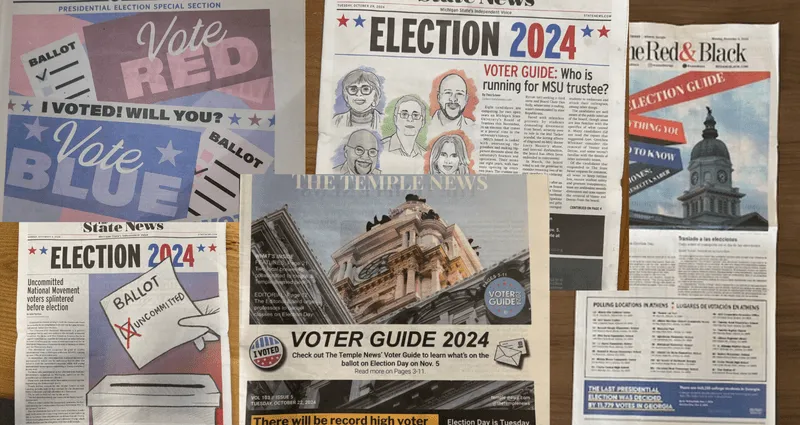
Use this guide to learn more about when to create special editions and the most effective ways to sell them.
Special editions offer a value proposition different from more regular print runs. While a regular paper records the news of the day, a special edition can capture the spirit of an era or key moment, making it a definitive guide for newcomers or a prized souvenir for graduates. Special editions provide extra value to weekly readers and advertisers. Plan these issues not only for editorial impact, but also as major yearly revenue drivers that help your newsroom’s bottom line.
If your student media organization doesn’t currently print regularly, special editions can be a great way to capture the benefits of having a printed paper while minimizing some of the costs associated with printing. This can also be a way to keep your publication’s brand relevant on campus and capture the excitement surrounding special moments, while also offering to connect with advertisers who might still love to see their business’ name in print.
When brainstorming potential topics, it’s helpful to think of three main categories:
There are many recurring pillars in the academic calendar that you can build special sections around. Because these dates are set in stone and fairly consistent, editions can be budgeted for and sold to both local and national advertisers months in advance.
Examples include:
Resource guides are a great way to publish special issues when your team may have more bandwidth. These resources have a longer shelf life than a normal print edition, which can be valuable for both readers and advertisers.
Examples include:
These are the highest risk, highest reward.
Championships
When a sports team hits the national stage, print becomes a souvenir overnight. Local businesses will scramble to buy "Congratulations" ads. Capitalizing on national championship runs can also increase your paper’s brand awareness as new readers pick up your paper. These papers can also sometimes be sold and mailed to out-of-town alumni.
Election editions
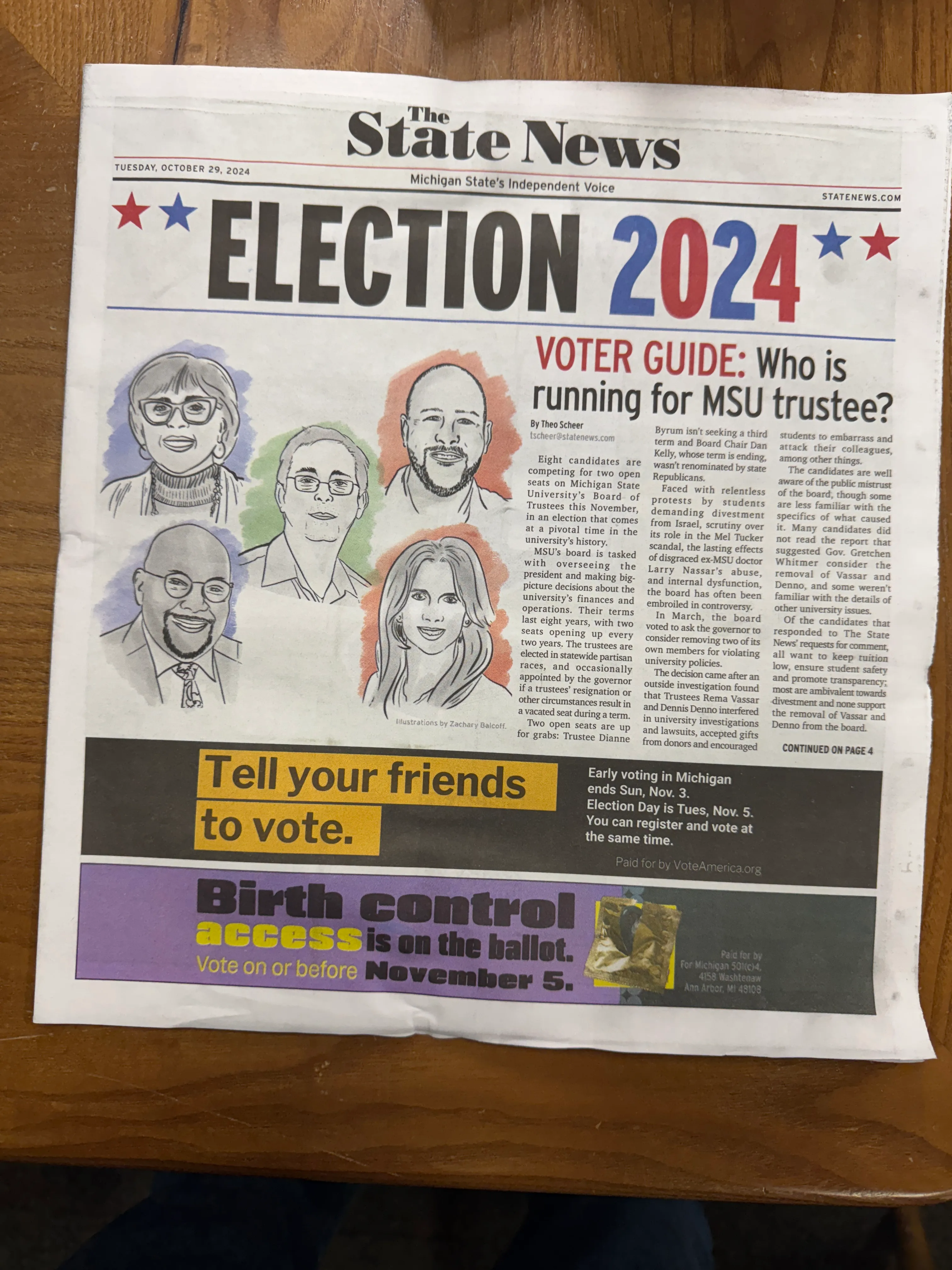
Election editions serve two main purposes: provide an educational product to your readers and capitalize on political advertising spend. Most students on your campus will be voting for the first time, so this is a really great way for your media organization to be helpful to new voters and new readers.
Historic milestones
Is your university celebrating its centennial? These are rare opportunities to create a truly historic keepsake. This can also be a fun way to republish the best stories of your newspaper’s past that document important university milestones.
Special editions provide a different return on investment (ROI) to advertisers. Here are ways to make sure you’re selling the unique value proposition to the right advertisers.
Special editions are durable and can be kept by readers longer than the weekly edition. When pitching to advertisers, emphasize that their message won't be recycled the next day. Remind advertisers that these issues often have a “keepsake” factor and bring extended visibility.
Not every advertiser is a fit for every edition. Tailor your outreach based on the type:
Because these editions are "special”, your pricing and ad placement should be too.
Special editions should be just as rewarding for your newsroom to create as they are for the community to read. Beyond the immediate revenue, these print runs serve as low-risk experiments for new editorial and business strategies that might feel too risky or high effort for the weekly news cycle.
Reframe these editions not as extra work, but rather as anchors for your newsroom’s strategic goals. When done with intention, they create energy and momentum on both the editorial and business teams. Ready to list a special edition in your media kit? Reach out and let your account manager know.

On this page
Headings

.avif)

%202.svg)