.svg)
View all articles
Student behavior
In the close-knit college environment, academic, social, and personal routines are heavily influenced by peer behavior and proximity. This density plays a central role in shaping how students form connections, make purchases, and discover new brands.
September 8, 2025
Lorem ipsum dolor sit amet, consectetur adipiscing elit. Suspendisse varius enim in eros elementum tristique. Duis cursus, mi quis viverra ornare, eros dolor interdum nulla, ut commodo diam libero vitae erat. Aenean faucibus nibh et justo cursus id rutrum lorem imperdiet. Nunc ut sem vitae risus tristique posuere.
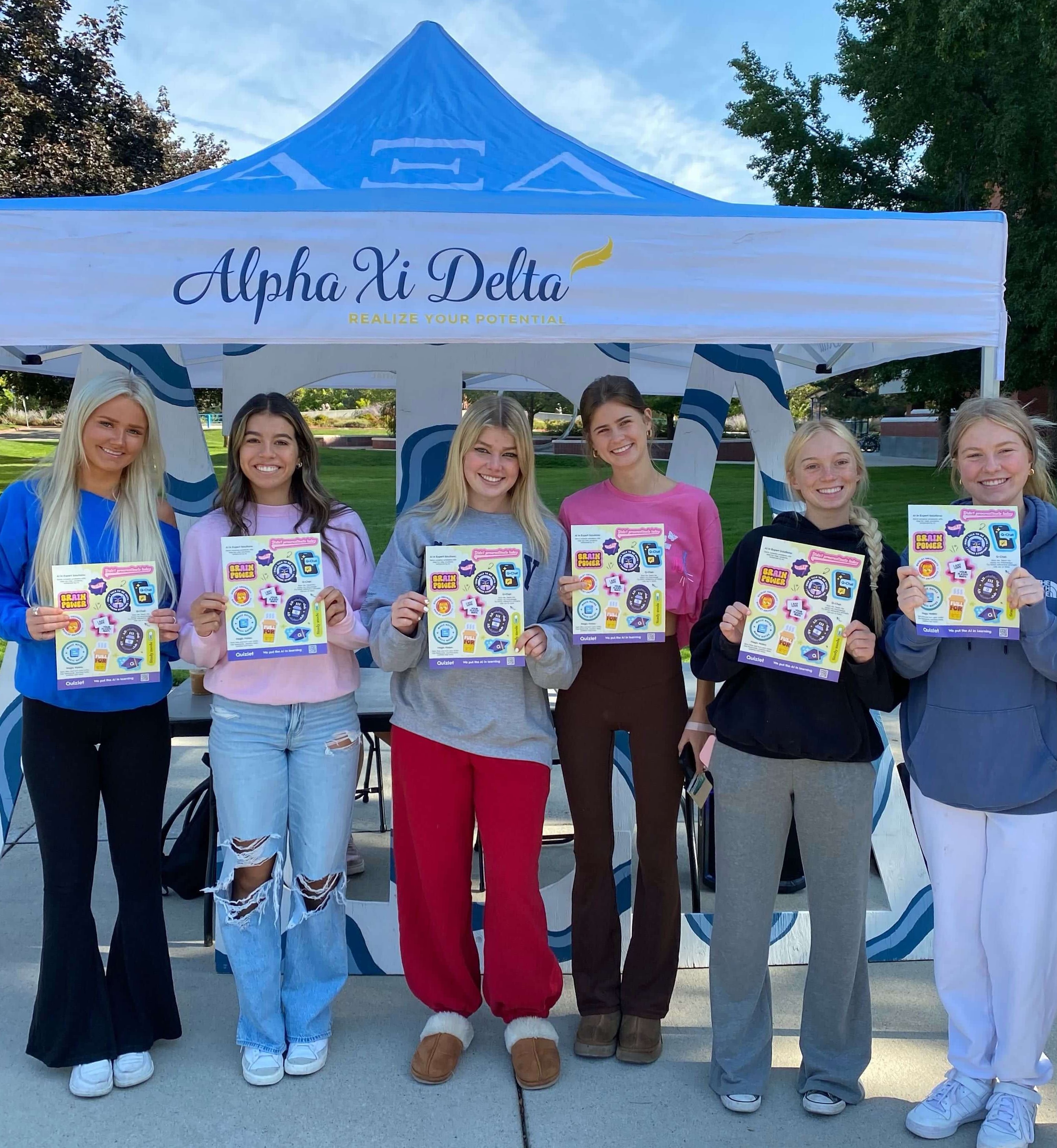
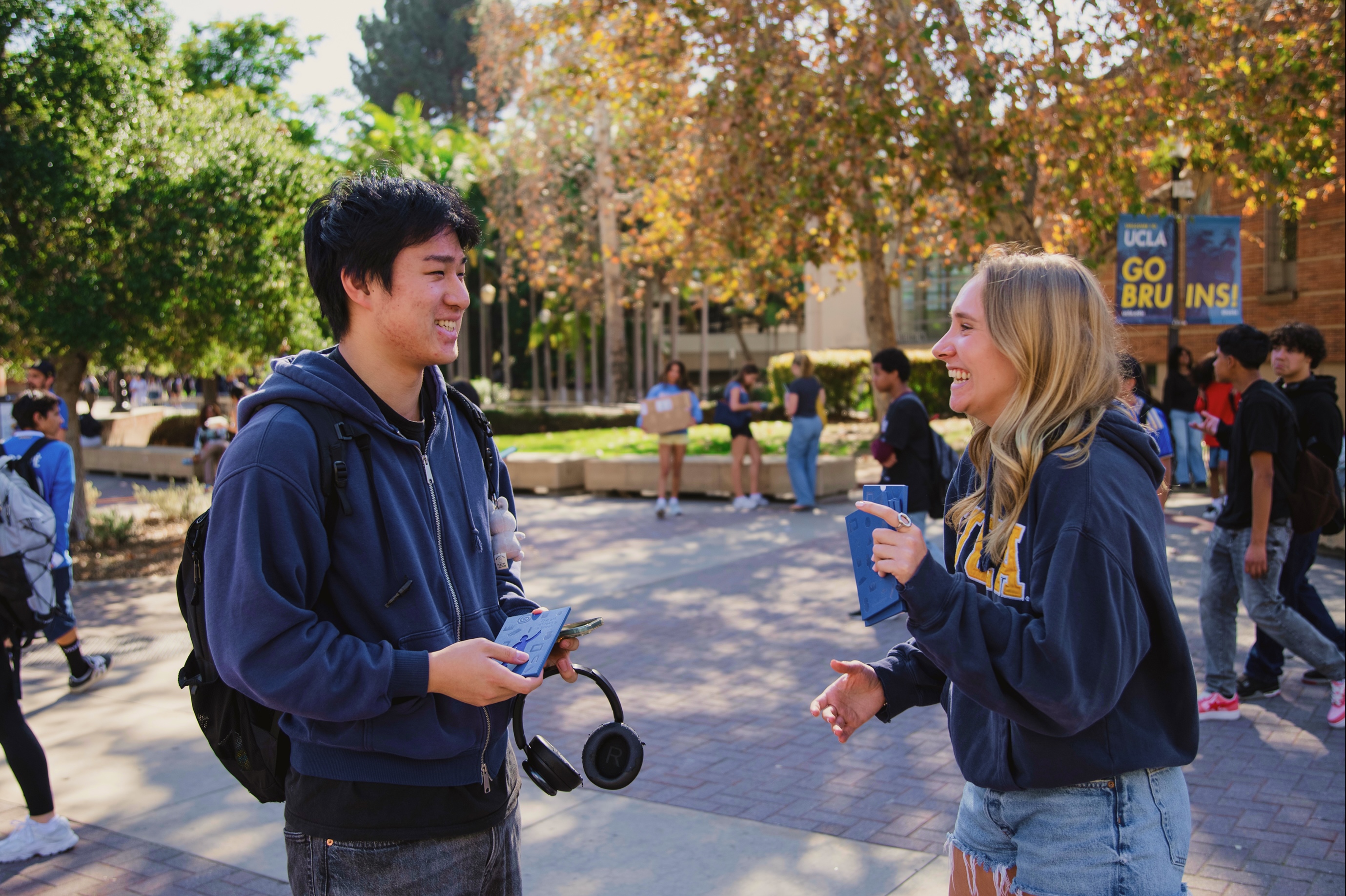
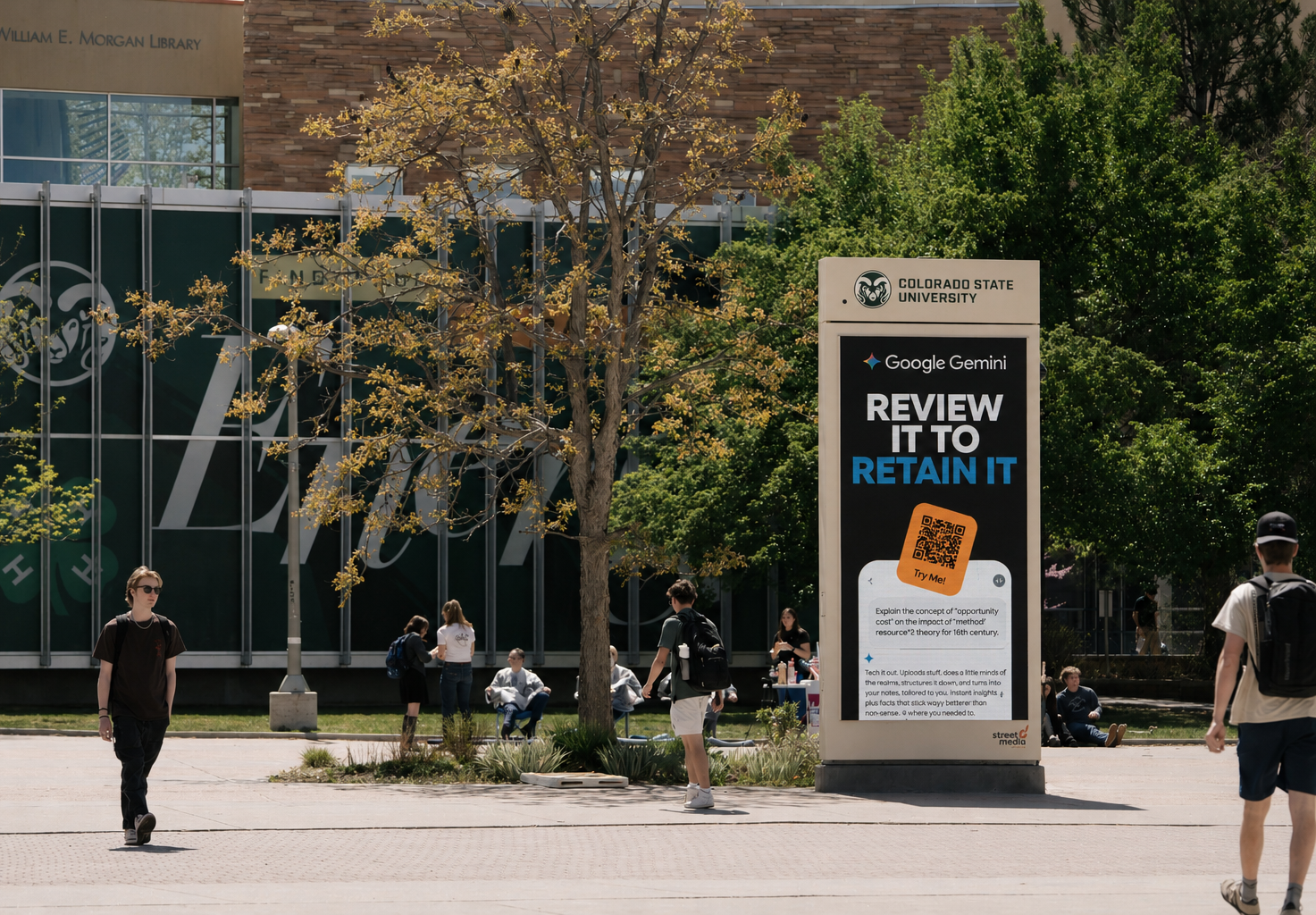
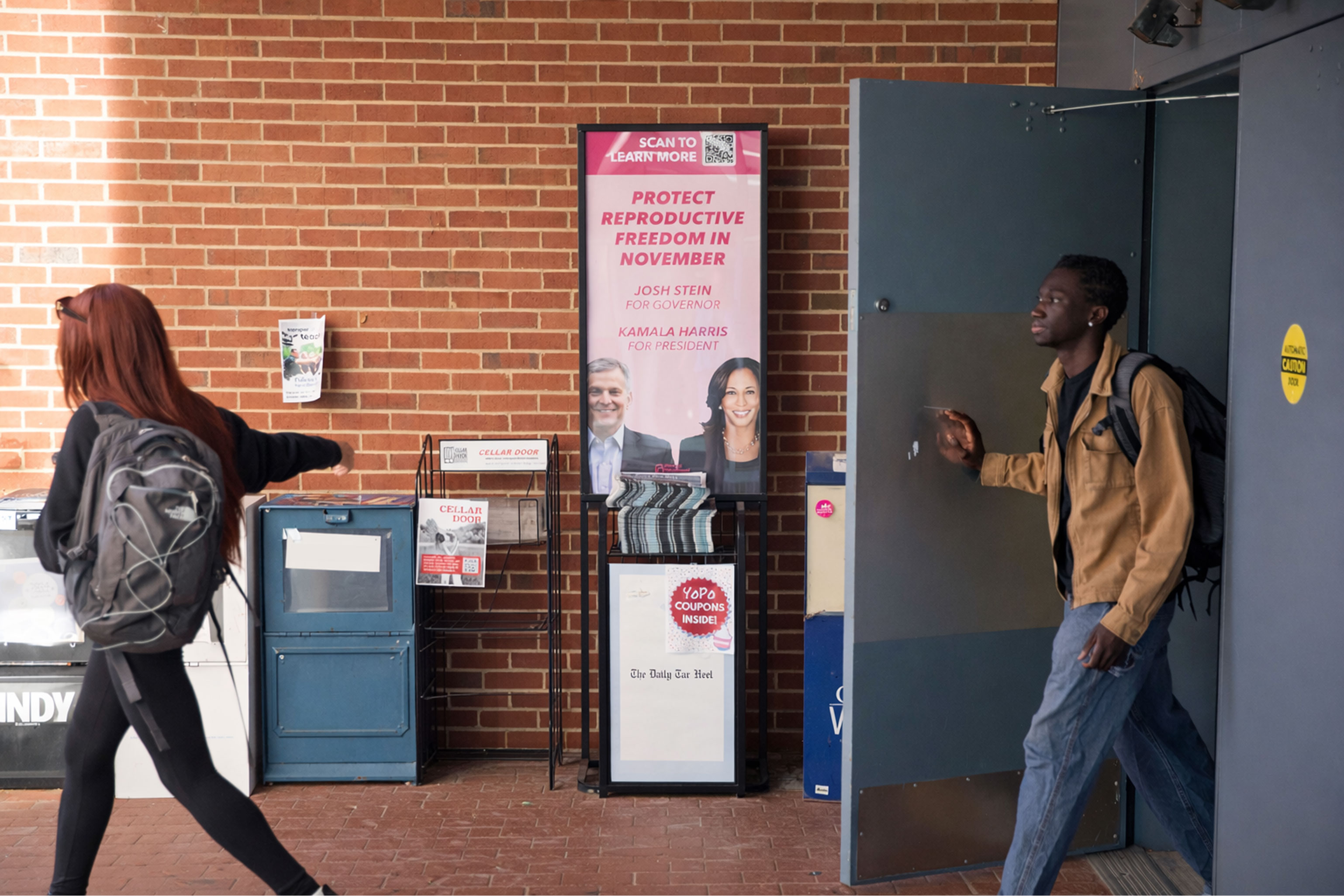
College students live, learn, eat, and socialize in the same few square miles. This density creates a culture of influence where trends move at lightning speed, adoption happens in packs, and physical proximity, not age or income, drives how students shop, socialize, and discover new brands.
College campuses function less like a collection of individual consumers and more like a dynamic, self-contained ecosystem in which physical proximity is the most powerful predictor of student behavior. The shared experience and environment of campus life, rather than traditional demographic markers like class, age, or income, creates the cohort.
As a result, college is both a place and a distinct cultural moment, one where students are especially open to new ideas, habits, and brands. 89% of students want to step out of their comfort zones while in college, and 79% love experimenting with new and different brands. They’re also highly attuned to their peers, simultaneously influencing and being influenced in turn.

College students are eager to try new brands — and they tend to do it together. For this generation, brand discovery is a social experience. 54% of students primarily discover new brands through their friends, and 59% like to buy the same brands as their friends.

In February 2025, we conducted a national survey to broadly assess college students’ sentiments. The survey received 1,803 complete responses from students across 29 states and 67 universities. Responses were analyzed to identify key trends, habits, and attitudes shaping how students engage with brands and with each other.
College campuses act like tight-knit ecosystems where physical proximity, not age or income, shapes buying behavior. Students are unusually open to new brands (79% love experimenting, 89% want to step outside their comfort zone), and they discover and adopt those brands socially: 54% learn about new brands through friends, and 59% like buying what their friends buy. For marketers, that means campus reach works best when it moves through peer networks, not just individual targeting.

On this page
Headings

.avif)

%202.svg)