.svg)
View all articles
Back-to-school
Back-to-college is not a single shopping trip but a compressed transition period when students establish routines, social norms, and local loyalties.
March 25, 2026
Lorem ipsum dolor sit amet, consectetur adipiscing elit. Suspendisse varius enim in eros elementum tristique. Duis cursus, mi quis viverra ornare, eros dolor interdum nulla, ut commodo diam libero vitae erat. Aenean faucibus nibh et justo cursus id rutrum lorem imperdiet. Nunc ut sem vitae risus tristique posuere.

Back-to-college shopping is often discussed as a retail season. For students, it functions more like a life reset conducted on a tight timeline. New living spaces, new peer groups, new constraints, and new independence all emerge at once. Consumption follows accordingly.
The economic scale reflects this intensity. U.S. back-to-college spending approaches $94 billion annually, with an estimated $47 billion concentrated in the two-day move-in window alone – larger than Black Friday in total spend.
Yet the defining feature of this period is not just volume but behavioral plasticity. Students are actively forming routines: where to shop, what brands are normal, what peers use, and what is considered convenient or acceptable in a new environment.
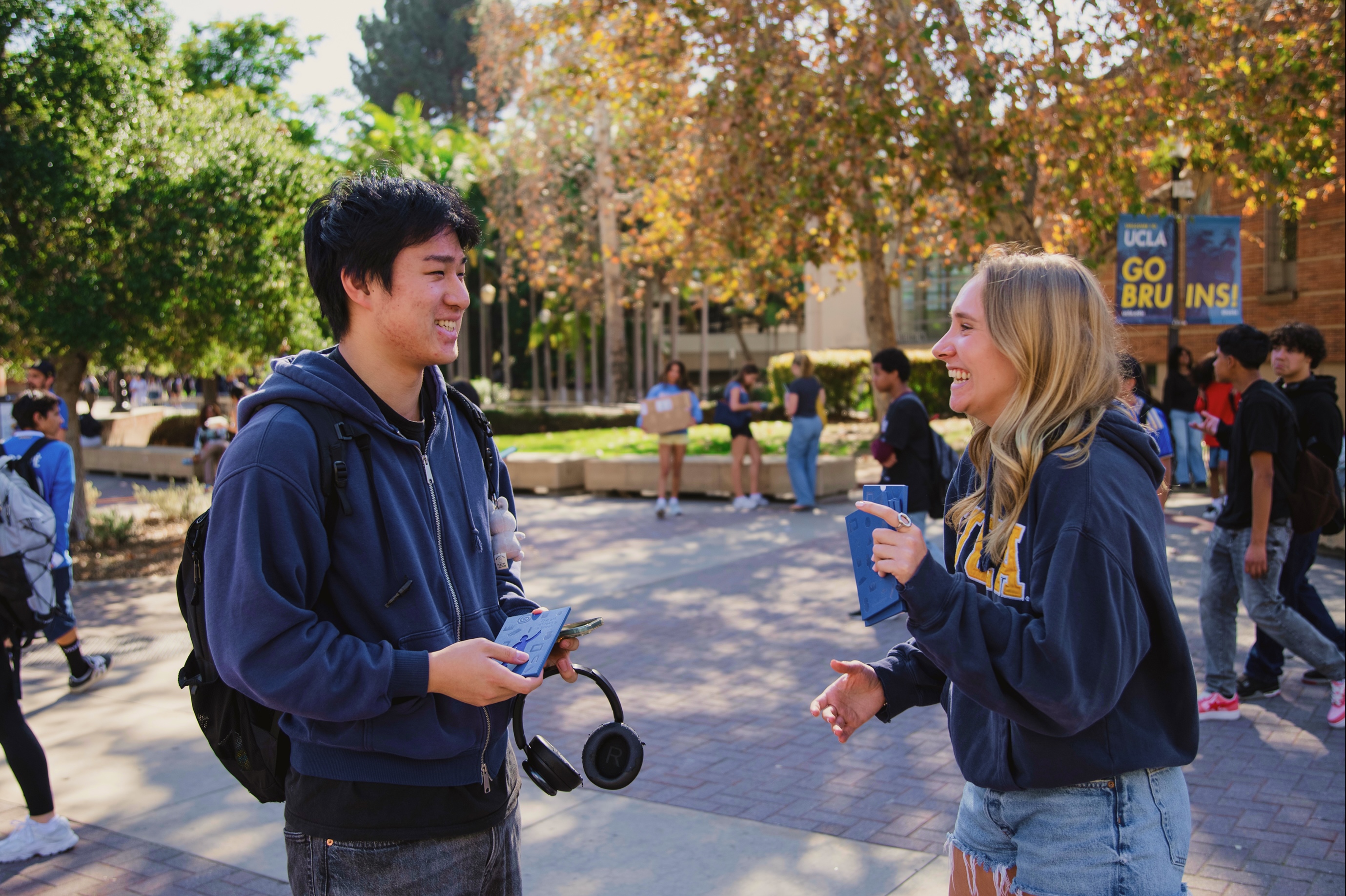
College campuses amplify this effect. They are bounded communities where the same individuals encounter the same options repeatedly in shared spaces. Decisions made early can quickly stabilize into habits.
This article synthesizes survey research, industry observations, and campus media theory to answer three practical questions:
Roughly two-thirds of purchases occur before students arrive on campus, but nearly every student shops again afterward. Move-in weekend is the single highest-volume purchasing moment of the season.
These phases reflect a shift from planning to reality to routine.
Before leaving home, purchases skew toward items that are expensive, bulky, or difficult to obtain locally:
Characteristics of this phase:
For many families, this is effectively a household purchasing decision rather than a student one.
Move-in is both a planning checkpoint and a major purchasing event. Students acquire many items that are impractical to transport or uncertain until arrival:
Transportation constraints, airline baggage limits, and uncertainty about dorm layouts all push these purchases into the local market. Even students who arrive with cars often defer certain items to avoid overpacking or duplication.
At the same time, move-in exposes gaps in preparation:
As a result, nearly all students make at least one shopping trip immediately after arriving on campus.
These trips are frequently time-compressed, group-based, and convenience-driven, making nearby retailers particularly salient.
Once settled, purchasing shifts to ongoing consumption and refinement:
This phase determines where students return for routine needs. Convenience, price consistency, transportation access, and peer behavior become dominant factors.
In a campus environment, repeated exposure to the same retailers can quickly normalize them as default options. Over time, these patterns solidify into shopping habits that often persist throughout the academic year.
Students are price-sensitive, but not uniformly so.
For necessities and recurring essentials:
These purchases prioritize affordability and convenience.
For visible or personal goods:
These items signal taste and belonging within a new peer group, making emotional factors more salient.
Electronics behave differently: Formal reviews are the most valued factor (35.8%). Students treat these as long-term investments.
Who participates in the purchase influences both retailer choice and basket composition.
Parent-led: Electronics, bedding, storage, other high-cost items. Among first-year students, about 58.6% report parents covering most expenses.
Solo: Clothing and personal care items reflecting individual preference.
Peer-based: Groceries, decor, and clothing. These trips often function as early social activities. Students observe where others shop, what they buy, and how they evaluate options.
In dense campus environments, such observations accumulate quickly because students share living spaces, dining areas, and daily routes.
Students typically use multiple retailers, each associated with different strengths:
Membership programs reinforce convenience perceptions, particularly for online purchasing. However, local purchasing decisions often depend on what is accessible during the first weeks on campus.
Initial shopping trips often represent:
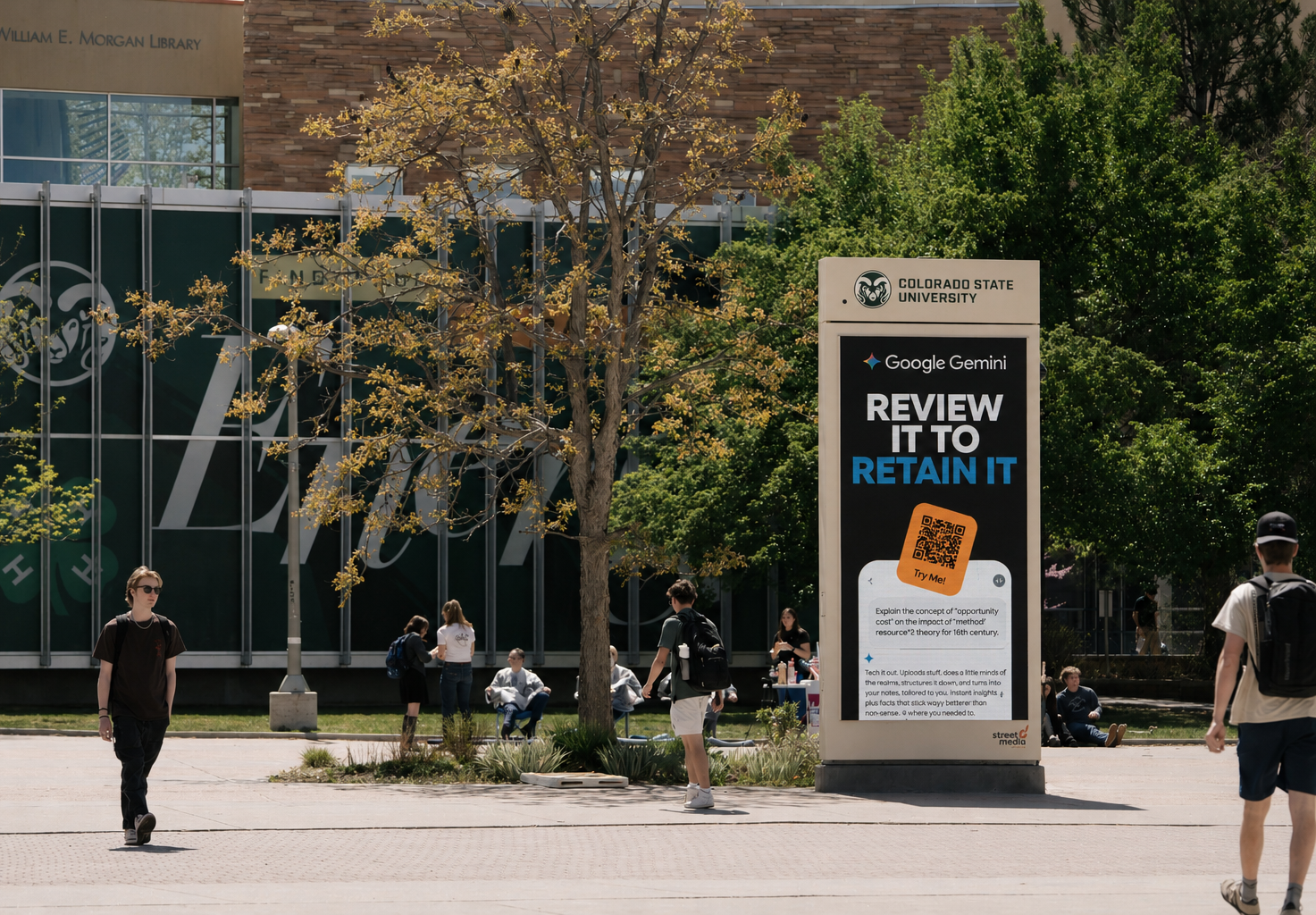
Within a bounded system, repeated encounters with the same stores – through proximity, signage, or peer use – can rapidly establish familiarity.
Once habits form, switching becomes less likely without strong incentives or convenience advantages.
Timing should match purchase phase. Pre-arrival, move-in, and early-semester windows serve different needs.
Price messaging is necessary but insufficient. Students trade off cost against aesthetics, identity, and reliability.
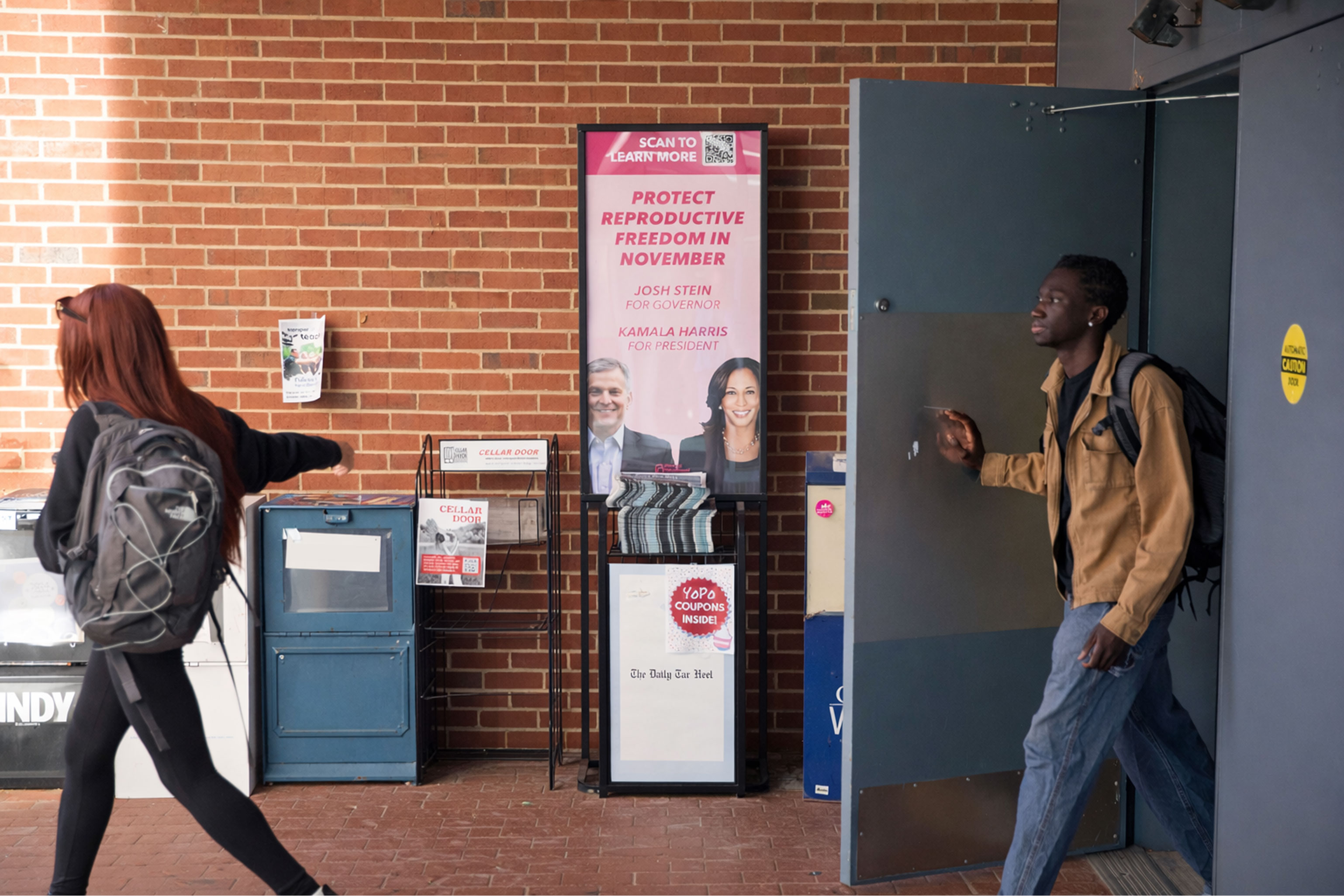
Social visibility amplifies influence. Shared environments make both advertising and consumption behavior highly visible.
Early wins can become durable habits. Capturing initial trips increases the likelihood of repeat behavior throughout the year.
This article synthesizes multiple recent flytedesk research studies on back-to-college purchasing.
Survey data examining purchase timing, categories, retailer usage, decision criteria, payment responsibility, and social context:
Conceptual framework: Interpretation informed by the Unified Theory of Campus Media Planning, which views campuses as bounded, socially connected environments where repeated exposure and peer interaction shape behavior.
Findings describe broad patterns rather than precise predictions for any single campus.
Back-to-college shopping is best understood as a compressed period of routine formation. Students are simultaneously:
In a campus environment, early experiences compound. Brands that align with the actual sequence of student decision-making, especially during the first weeks after arrival, are positioned to capture both immediate revenue and enduring loyalty.

On this page
Headings

.avif)

%202.svg)